
Porcelain Tile Packing & Container Guide for B2B Buyers
Understand boxes, pallets, net and gross weight, container planning, breakage control and the packing data importers should confirm before shipment.
Technical review: TAG Ceramic Quality Team
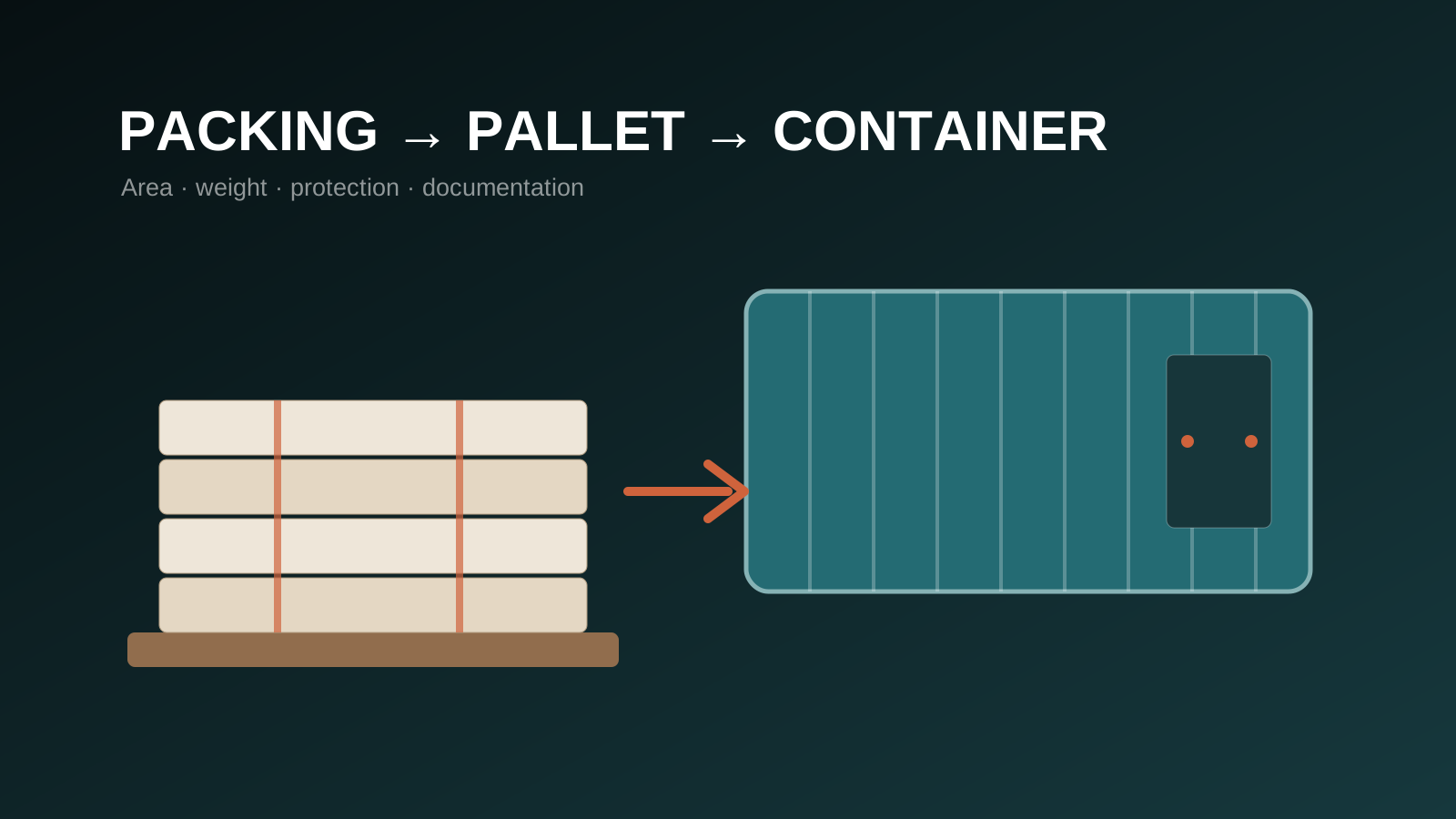
Confirm packing mathematics before confirming a tile shipment
Packing data affects landed cost, warehouse planning, manual handling, container utilization and breakage risk. A buyer should be able to move from one tile to one box, one pallet and one container without ambiguous numbers. Because packing configurations can change by product, thickness, market or shipment method, use the current packing sheet supplied for the exact order.
Packing data every importer should confirm
| Field | Why it matters | Buyer check |
|---|---|---|
| Pieces per box | Converts design quantity into boxes | Confirm full-box ordering rule and nominal coverage |
| m² / ft² per box | Used for commercial pricing and project quantity | Recalculate from actual piece count and nominal size as a cross-check |
| Net / gross box weight | Affects handling and freight | Confirm whether packaging weight is included |
| Boxes per pallet | Defines pallet quantity and warehouse footprint | Check pallet type and maximum safe stack |
| Pallet gross weight | Important for handling equipment and loading plan | Check forklift/warehouse limits |
| Container boxes / pallets | Drives shipment area and freight per m² | Confirm against container payload and route constraints |
| Wood / packaging declaration | May matter for import requirements | Confirm treatment/marking/documentation where applicable |
1. Start with the sales quantity and convert upward
A project normally begins with required floor area plus approved waste. That quantity is converted to pieces and then rounded to full boxes. The commercial order is then converted to pallets and finally into a container loading plan. Rounding at each stage can change the final square metres, so buyer and supplier should use the same packing sheet.
2. Weight can become the limiting factor before volume
Ceramic and porcelain tiles are dense products. A container may reach a legal or operational payload limit before every geometric space is filled. Container choice should therefore consider gross cargo weight, route, carrier restrictions, port/road regulations, pallet configuration and safe loading—not only the number of boxes that physically fit.
3. Breakage control starts with packing consistency
Strong boxes, correct stacking, pallet stability, corner/edge protection, strapping/wrapping and controlled forklift handling all matter. Export buyers should agree how visible package damage is documented, whether pre-shipment photos are supplied and what inspection process applies before container sealing.
4. Documents should reconcile to physical packing
Commercial invoice, packing list and shipping documents should use consistent product descriptions, quantities, weights and package counts. Import requirements vary by country, so buyer and exporter should confirm documentation responsibilities before dispatch.
How many 600×600 tiles fit in a container?
There is no universal number. The result depends on pieces per box, box gross weight, boxes per pallet, pallet configuration, container payload and route restrictions. Use the current TAG Ceramic packing data for the actual product and shipment.
Review current packing information
Use the packing section as a starting point, then request shipment-specific packing and quotation data from the TAG Ceramic export team.
Packing details