How to Import Porcelain Tiles from India: B2B Buyer Guide
A detailed buyer workflow for specifications, samples, quotations, packing, inspection, shipping documents and importing tiles from India.
Technical review: TAG Ceramic Quality Team

Importing porcelain tiles from India: a buyer-first workflow
India—particularly the Morbi ceramic cluster—serves a large international tile market. Importing successfully requires more than choosing designs from a PDF. Buyers need to align specifications, sample approval, quantities, packing, quality expectations, commercial terms, documentation and destination-country requirements before loading.
Import workflow at a glance
| Stage | Buyer should confirm | Supplier should provide / confirm |
|---|---|---|
| 1. Product brief | Size, finish, colour/series, intended application, target quantity | Available series, technical information, design/face options |
| 2. Sample approval | Physical appearance, surface, shade expectations | Representative sample and identification |
| 3. Commercial offer | Incoterm, quantity, currency, destination, payment terms | Proforma/commercial quotation with clear scope |
| 4. Packing | Box/pallet preferences, marks, special handling | Pieces per box, weight, pallet plan, labels |
| 5. Quality plan | Inspection expectations and acceptance criteria | Production/sorting controls and agreed inspection access |
| 6. Shipment | Port, forwarder, deadlines, container strategy | Loading plan and shipping-document coordination |
| 7. Documents | Country/importer-specific requirements | Commercial invoice, packing list and other agreed export documents |
1. Write the product specification before negotiating the order
A useful specification identifies the exact size, finish, series/design numbers, thickness where relevant, intended application, quantity and technical expectations. If a market requires specific certifications or test reports, raise those requirements before order confirmation. This prevents late changes after production or packing has started.
2. Approve representative samples and record what was approved
For visually sensitive products such as marble look, bookmatch, decorative faces or strong surface textures, sample approval should cover more than colour. Review surface feel, reflection, face variation and the intended layout. Keep the approved sample/design reference linked to the purchase documentation.
3. Compare offers on a consistent commercial basis
A low unit price can be misleading when offers use different Incoterms, packing, palletization, freight responsibilities or payment conditions. Compare like with like. Confirm whether the price is ex-factory, FOB, CIF or another agreed term, and identify who is responsible for inland transport, terminal charges, freight, insurance and destination costs.
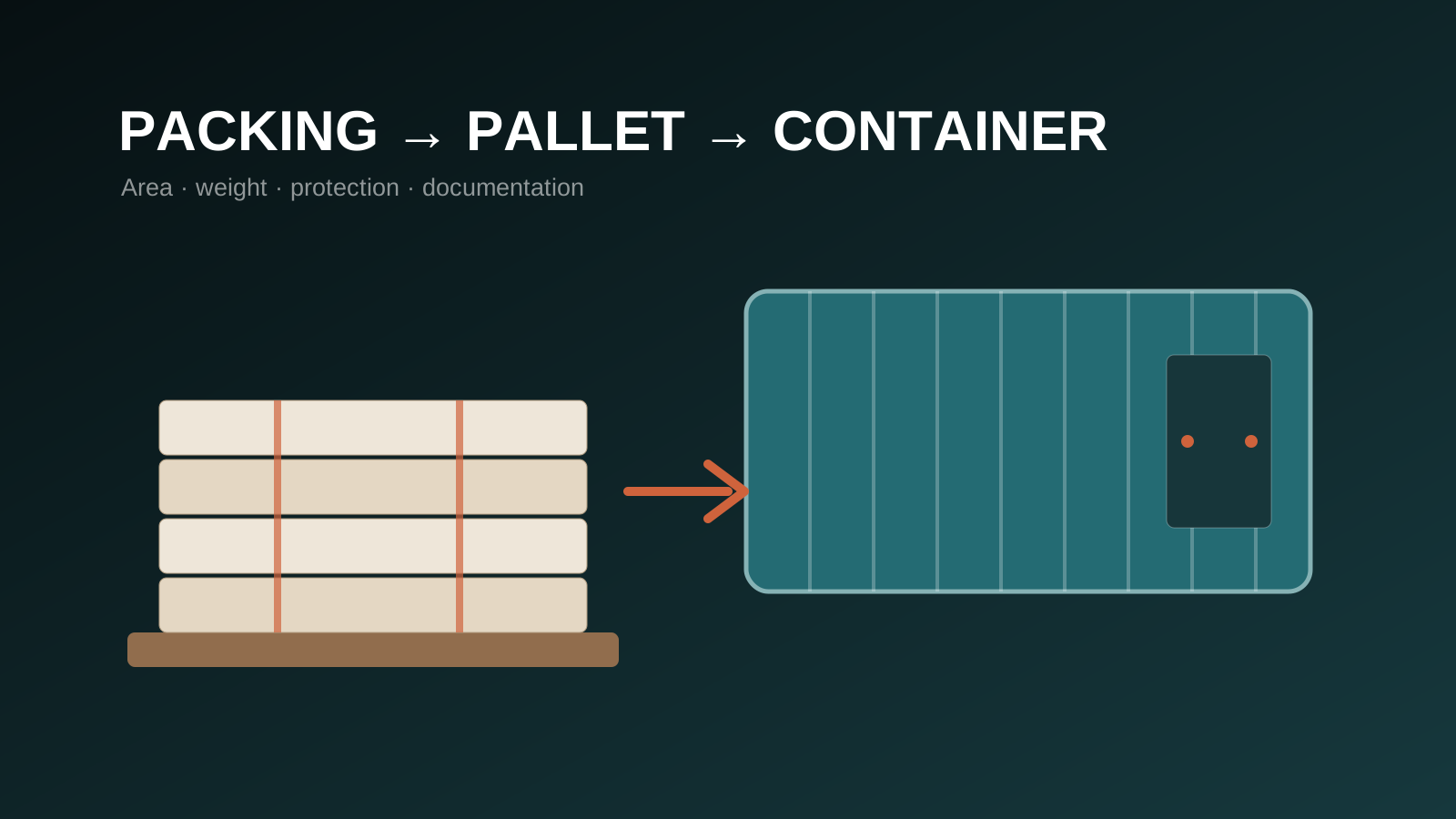
4. Packing is a product specification too
- Confirm pieces per box and area per box
- Confirm net/gross box and pallet weight where required
- Confirm pallet material and fumigation/ISPM requirements where applicable
- Agree private-label/carton artwork and barcode requirements before printing
- Agree container loading pattern and maximum practical weight with logistics partners
5. Build an inspection plan proportional to the order
For first orders or critical projects, buyers may choose pre-production sample confirmation, in-process checks, final random inspection or loading supervision. The inspection scope should be written and aligned with the agreed product specification. Visual inspection alone does not replace laboratory test documentation where technical compliance is required.
6. Preserve traceability after the container is loaded
Maintain purchase order, design list, packing list, container information, batch/shade references where available, inspection records and shipping documents. This improves receiving checks and gives both parties a clearer evidence trail if a question arises after delivery.
What information should I send a tile manufacturer for an export quotation?
Send destination country/port, tile size, finish, design/series requirements, quantity, preferred Incoterm, packing/private-label requirements and any destination-specific certification or documentation needs.
Should a buyer order only from catalogue images?
For significant orders, physical sample approval is strongly recommended because screen colour, reflection and texture cannot be evaluated reliably from a PDF alone.
Planning a porcelain tile import from India?
Use TAG Ceramic's export enquiry route to share destination, quantity, finish and product requirements with the export team.
Talk to export team